Posted 12:15 PM, October 3, 2007
FOR IMMEDIATE RELEASE
October 2, 2007
Contacts:
Brett VandenHeuvel, Columbia Riverkeeper. 503 224-3240. bv@columbiariverkeeper.org
Dvija Michael Bertish, Rosemere Neighborhood Association. 360-281-4747.
Environmental Groups Challenge Proposed Climate Polluting, Coal Fueled, Power Plant in Kalama, WA.
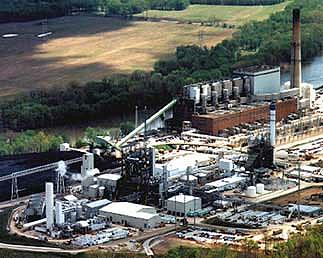
Seeking to stop a power plant that would spew millions of tons of toxic greenhouse gasses and other contaminants into Washington State skies, Columbia Riverkeeper, Willapa Audubon Society, and Rosemere Neighborhood Association have been granted the legal status to intervene in the permitting process for Energy Northwest’s proposed 680-megawatt coal-fueled Integrated Gasification Combined Cycle (IGCC) power plant in Kalama. A total of six environmental groups will intervene in objection to the proposed coal-fueled power plant, along with the State Attorney General’s Office and the Washington State Department of Ecology.
2007 NEWSLETTER
SEPTEMBER 2007 NEWSLETTER
PROPOSED COAL-BURNING POWER PLANT
On September 20, 2007, representatives of Columbia Riverkeeper, Willapa Audubon Society, and the Rosemere Neighborhood Association, along with a number of other concerned citizens, attended a public hearing held by Washington’s Energy Facility Site Evaluation Council to voice their opinions about Energy Northwest’s proposed Integrated Gasification Combined Cycle (IGCC) power plant in Kalama, WA. The council took comments from the public on Energy Northwest’s greenhouse gas “sequestration plan” (view the plan at http://http:www.esfec.wa.gov/pmec.shtml).
Please join Columbia Riverkeeper, Willapa Hills Audubon Society, and the Rosemere Neighborhood Association to:
Say no to more water and air pollution and increased global warming!
The Energy Facility Site Evaluation Council is holding a public hearing:
September 20, 2007, 6:30 P.M.
Kalama Community Building, 126 North Second Street, Kalama, Washington
Please attend. The Council will take comments on Energy Northwest’s greenhouse gas “sequestration plan” for the proposed Integrated Gasification Combined Cycle (IGCC) power plant in Kalama, which would be a major new industrial polluter on the Columbia River.
Energy Northwest — a group of 20 public utilities in Washington — is planning to build a coal or petroleum coke plant in Kalama, Washington. This $1 billion, 600-megawatt facility will increase our air and water pollution, threaten habitat for endangered salmon and add to our global warming problem — the plant will produce more than 4 million tons of carbon dioxide per year … that’s like adding 700,000 cars to our highways.
Read more about it here.
Posted 11:30 AM PST, December 11, 2006
Over the past several months RNA has been studying and networking to find information about the growing dead zones off the Oregon and Washington coasts. There may be a direct connection to understanding the adverse impacts to Vancouver Lake. This research was conducted in partnership with Columbia Riverkeeper.
There may be a direct correlation between the causes of the dead zones off the coasts and the problems suffered by the lake.
Posted 6:30 PM PST, December 11, 2006
To: Various Elected Officials representing Southwest Washington
Maria Cantwell, Patty Murray, Brian Baird, Richard Curtis, Deb Wallace, Jim Moeller, Craig Pridemorem, Bill Fromhold
From: Rosemere Neighborhood Association
Hanford is considered to be one the nation’s worst contaminated nuclear sites with cleanup expected to cost $60 billion and cleanup work to continue through 2035. The site is an environmental nightmare that includes groundwater contaminated with radioactive waste, and the salmon that spawn in the area are known to be reversing sexes due to contaminants in the Columbia River (which could cause the extinction of salmon runs in that area).
In December 2001, Rosemere residents on ‘K’ street learned that they could have lost their homes to make way for a potential I-5 widening project. The RNA received many phone calls from worried neighbors when this issue first arose in a Columbian article entitled “In the Way on ‘K’,” and RNA members became very active in public meetings with the Bi-State Transportation Commission that was established to help find solutions to traffic problems relative to the I-5 bridge crossing. The RNA canvassed the neighborhood and rallied residents to attend Commission meetings and provide written and verbal testimony in order stop unnecessary demolition of homes that abut I-5. The message was loud and clear, and Commission members acknowledged that design plans should be changed to ensure that homes were not lost in Rosemere and other neighborhoods.
Brent Foster, Executive Director, Columbia Riverkeeper, performing water quality monitoring on the Columbia River
In February 2006, RNA received a $5000 contribution from Allweather Wood, Inc. in Washougal. In June 2006, RNA received a second $5000 corporate donation from Metro Metals Inc, in Portland. Both donations will be used to pay for water quality monitoring on the Columbia River. These corporate donations were arranged through RNA’s continued working partnership with Columbia Riverkeeper.
On March 22, 2006, the RNA along with Columbia Riverkeeper, Hanford Watch, Heart of America, and other volunteers attended a public hearing at the Red Lion Convention Center in Portland to discuss proposed cleanup efforts at the Hanford Nuclear Reservation. This meeting was facilitated by the US Department of Energy (USDOE), and the Washington State Department of Ecology. This was a “scoping” meeting, where members of the public could state for the record what they wanted to see in an Environmental Impact Statement (EIS).
Anglers return to Frenchman’s Bar the day following the report of a sewage spill
The Washington State Department of Ecology’s Spill Responder’s Unit was dispatched to Frenchman’s Bar (near Vancouver Lake) on April 5, 2005 following another report of a raw sewage spill. This scene is a replay from a year ago when fishermen called in the worst sewage spill in memory at Frenchman’s Bar in April 2004, where the spill team found tampons, condoms, syringes, and globules of raw sewage washed ashore along two ½ miles of beach at Riverfront Park. A source was never discovered for the 2004 sewage spill, though a spill responder indicated that wind and weather conditions supported the theory that the spill was caused by a sewer overflow from Portland. However, Oregon’s DEQ was not able to identify a malfunction of Portland sewer treatment facilities. The Health Department closed Frenchman’s Bar under a public health emergency and special equipment was brought in to collect syringes hidden in the beach sand.