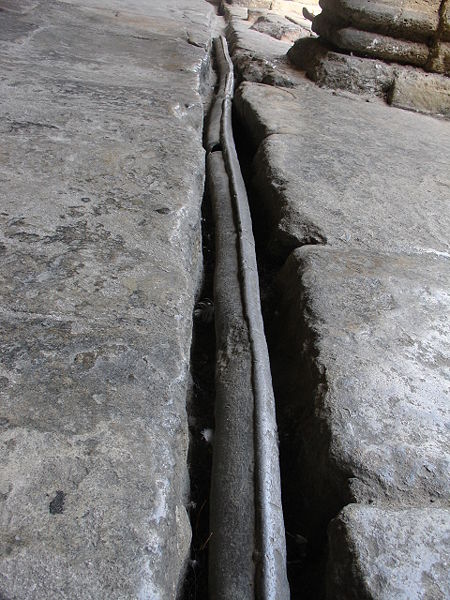
Ancient Lead Pipe, Bath, England
The solution to the lead issue in drinking water would optimally be replacement of all lead piping.
However, there are certain issues:
The ownernership of the lead piping is between the supplier and the property owner, leading to possible legal aspects.
The replacement costs are very high. Approximately 8-10 billion sterling pounds to replace all lead piping in the UK
The density of properties with lead piping can be up to 75% in many cities. The replacment program would create much disruption to road users and property owners
When the lead in water is not visible, tasted, odorless, it is not perceived as a problem. Property owners are then reluctant to take expensive actions.
Corrective Treatment

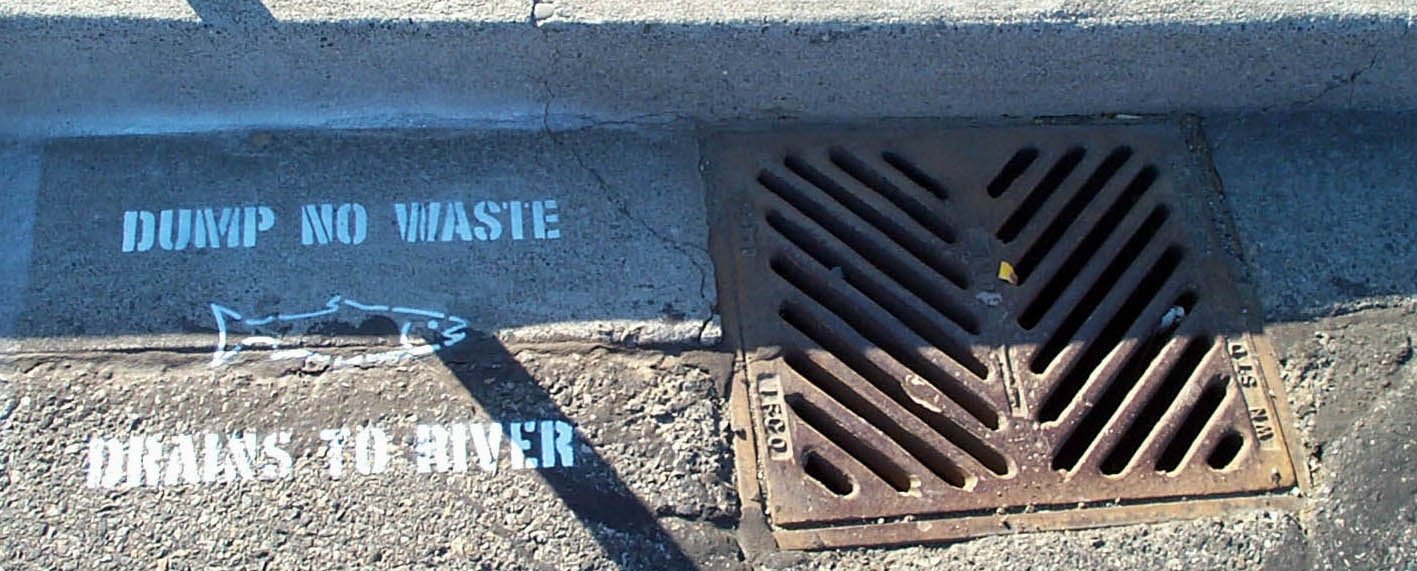
The Rosemere Neighborhood Association has sent a letter to Governor Chris Gregoire regarding legislation introduced under House Bill 1661 [Reducing the authority of the state board of health with regard to small-scale sewage systems] to remove state oversight on private septic systems. Without state standards, local jurisdictions would have the authority to revoke existing operations and maintenance requirements for on-site septic systems, and local authorities would be faced with public challenges to overturn local codes without the presence of state regulations. In short, this bill would allow failing septic systems to continue to pollute ground and surface water and spread disease. The RNA asserts that a major component of stormwater pollution may be septic tank infiltration through perforated stormwater pipes.
The Rosemere Neighborhood Association and Columbia Riverkeeper submitted comments on proposed revisions to the City of Vancouver’s Storm Water Ordinances, VMC 14.24, 14.25 and 14.26. read the entire document here.
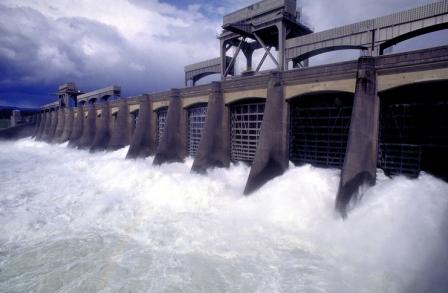
Bonneville Dam
Bonneville Dam
On the last day of June, 2008, a surge of wind power caused a spike in the Northwest power grid, making the Bonneville Power Administration realize it could not handle such surges without spilling water that could be potentially dangerous to Columbia River salmon.
The BPA was “caught off guard” when an unexpected increase in wind power overloaded the regional grid. The Bonneville dam compensated by spilling water, keeping it from the hydropower generators. Generally, water is spilled to help juvenile salmon make their way downriver; however, excessive nitrogen, created when water plunging from the dams into the river becomes saturated with air (which is composed of 78% nitrogen), can be harmful to salmon. In this instance the BPA claimed the spill was not heavy enough to damage fish.
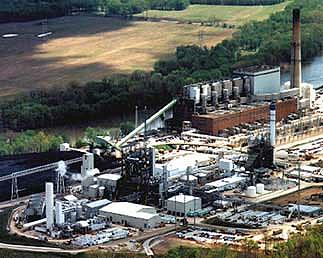
Indiana coal gasification plant
This is a 2544-ton-per-day coal gasification plant on the Wabash River in Indiana. (Photo: Department of Energy)
Our efforts to block the coal fired power plant in Kalama have been successful. In their meeting held on September 9, 2008, the State of Washington Energy Facility Site Evaluation Council announced that The Pacific Mountain Energy Center in Kalama is being redesigned as the Kalama Energy Project. The newly renamed project will eliminate all the gasification facilities originally planned for the site and run exclusively on natural gas.
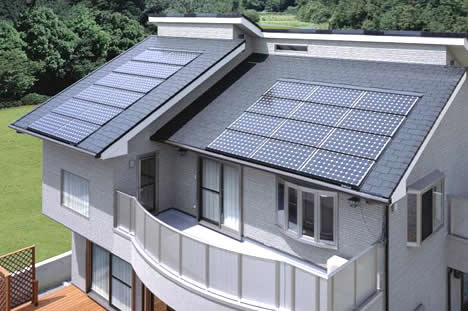
Solar energy
Advancement for solar energy was attained in 2005 by the State of Washington.
“This is the most important solar legislation ever introduced in any American state legislature.”
– Denis Hayes, founder of Earth Day, former director of the federal Solar Energy Research Institute and current President of the Bullitt Foundation
Two bills — SB5101 and SB5111 — won overwhelming bipartisan support from lawmakers interested in growing solar manufacturing and installation within the state.
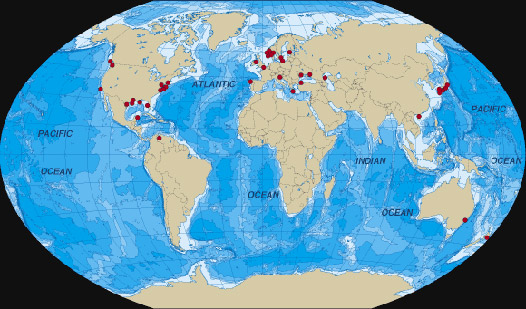
“Dead Zones” were first reported and studied in 1910 — 4 areas in the world’s oceans. Currently the world-wide count is over 400. According to a study in the August 15 issue of the journal Science, the tally is 405 dead zones in coastal waters worldwide. These affect an area of 95,000 square miles, about the size of the country of New Zealand. Some of the increase is due to the discovery of low-oxygen areas that may have existed for years and are just being found, but others are actually newly developed.
DID YOU KNOW?
# Food safety experts have identified the five most common food-borne pathogens. The “Big 5,” easily transmitted through food and the cause of severe illness are: Enterohemorrhagic E.coli or Shiga-toxin producing E. coli, Hepatitis A virus, Norovirus, and Salmonella Shigella. Salmonella is one of the most common pathogens and it has many different strains. Salmonella Shigella is only one strain. Since 1971 there have been at least 20 outbreaks of food-related poisoning.
Soap bubbles with cute smiling faces, sliding joyfully around a tub and shower, who wouldn’t want to buy what these animated little darlings want to sell you? But no matter how endearing, the only reality of the never ending need to clean our shower and tub is, as our parents used to say, “elbow grease.” A good scrubbing with a green scrubber and a non toxic product is the only way to clean a bathroom.
groundwatersmall1
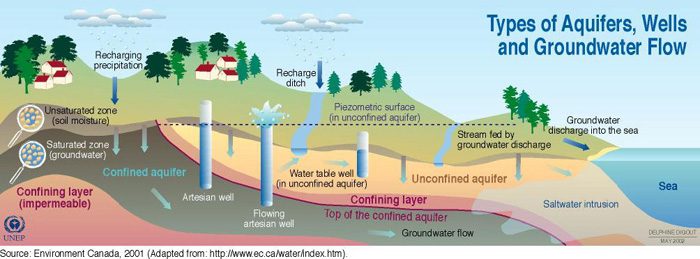
Living in the Northwest, we are fortunate to have a seemingly abundant supply of water. Although there is a considerable amount that falls from the sky, there is an equally important amount of water that lies below us.
The rain that falls from the sky eventually finds its way into the aquifers below ground. We rely on this water for everything from drinking water to water for our crops.