Rosemere Neighborhood Association Rotating Header Image

Posts from ‘October, 2009’

Hanford: Proposed Settlement Could Allow for Decades of Cleanup Delays and “Hottest” Nuclear Waste to be Shipped to Hanford Nuclear Reservation

The states of Oregon and Washington, having filed suit against the US Department of Energy in 2008, have negotiated a court-enforceable settlement agreement regarding continuing cleanup activities at Hanford nuclear reservation. Hanford is the most heavily contaminated facility in the western hemisphere with 53 million gallons of radioactive waste at 194 million Curies, the measure of radioactive potency.

The core of the settlement agreement focuses on languishing federal efforts to empty 140 remaining single shell storage tanks of radioactive sludge, and the severely delayed construction of the largest radioactive waste treatment facility in the US. Almost half of the single shell storage tanks are known to be leaking into the soil and to have infiltrated the groundwater in the Hanford plateau. This radioactive spill is moving toward the Columbia River and will reach the shoreline within 20-50 years according to current estimates. A seismic event could increase the speed of travel.
EPA Civil Rights ‘Best Practice’ Guidance Plan Fails To Quell Criticism (reprinted with permission from Inside Washington Publishers)

This article originally appeared in Inside EPA Weekly Report on October 23, 2009. It is reprinted here with permission of the publisher, Inside Washington Publishers. Copyright 2009. No further distribution is permitted.
Click here to view article (pdf format):
EPA Civil Rights ‘Best Practice’ Guidance Plan Fails To Quell Criticism

Toxics at Vancouver Lake

Thursday, October 22, marked the 5 year anniversary of the Vancouver Lake Watershed Partnership, created to address longstanding problems that prevent the lake from being swimmable and fishable, including toxic blue green algae.

Patty Boydon, Port of Vancouver Environmental Director, gave a presentation on the installation of an air stripping facility installed to remediate toxic groundwater plumes produced by Cadet/Swan Manufacturing. Groundwater plumes that have expanded into the Fruit Valley Neighborhood were caused by the use of industrial chemical solvents. The shallow groundwater plumes were first discovered in 1998 during road construction, marking the largest groundwater cleanup in Washington State.

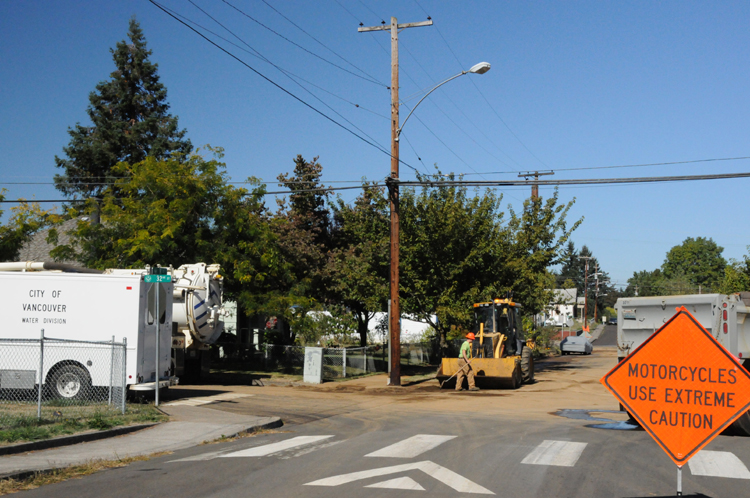
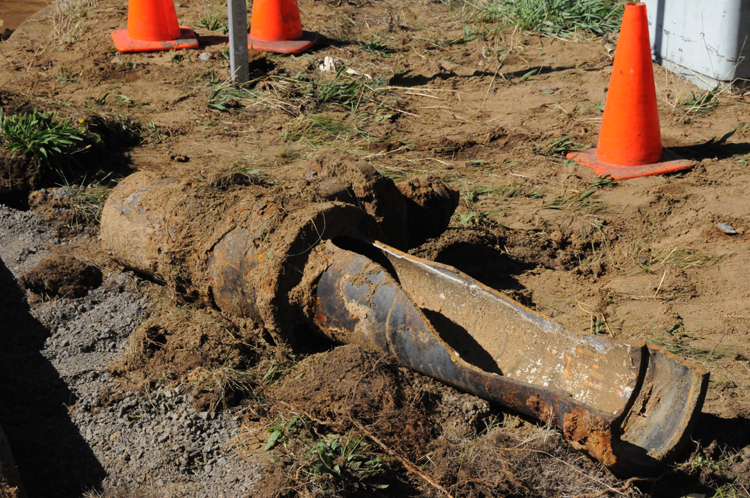
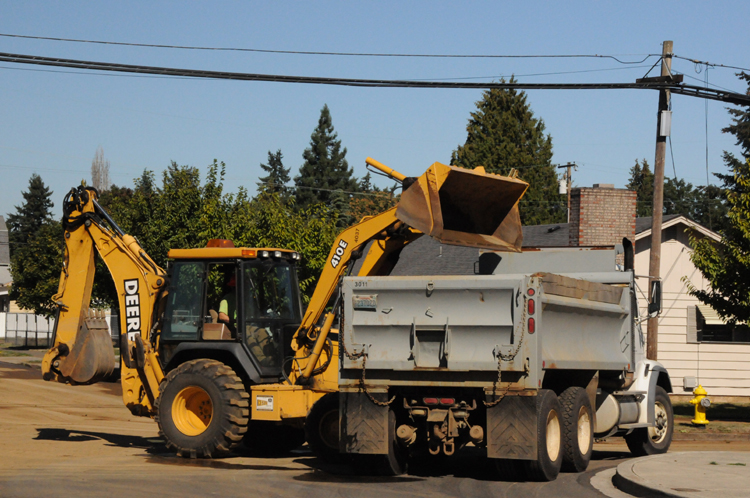
Pipe Replacement in Vancouver: Water Main Break at 32nd & Q St.

Water Main Break – September 26, 2009

Rosemere residents were unwinding from a busy week on Saturday night, September 26, 2009.

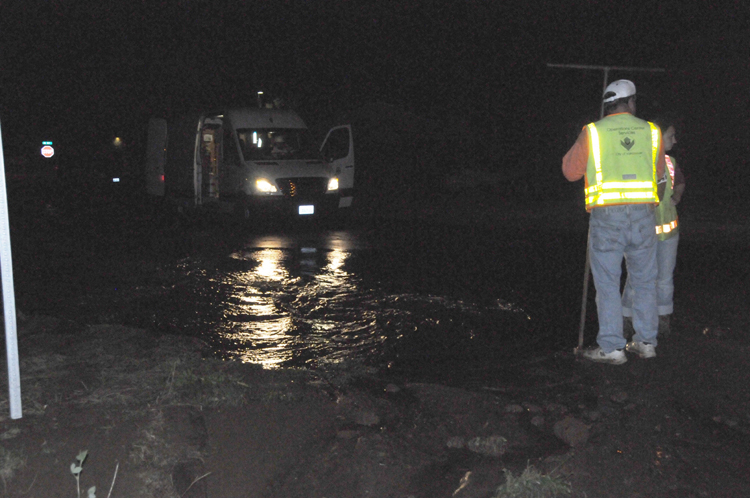
As relaxing bubble baths were being drawn, water ceased flowing. Those with shampoo in their hair found this most inconvenient, but employees of the City of Vancouver who were wrestling with a broken water main on 32nd & Q St. had bigger problems.

In inky darkness, water was shooting out of the broken main, creating a sinkhole which overflowed, flooding the streets. A city employee was probing the massive hole to test for depth. Suddenly the edge he was standing on gave way, plunging him into the raging waters. After swirling around in the maelstrom for what seemed an eternity, he was able to extract himself to safer grounds.

Water flowed down 32nd towards R St., turning the alley into a churning creek, flooding a home on the corner. The area was a news clip disaster. By Sunday morning, hard working city employees repaired the broken main and filled the sink hole.

Regulation of Perchlorate in Drinking Water

In August, Environmental Protection Agency (EPA) opened a public comment period regarding the potential health impacts from exposure to perchlorate through drinking water.
EPA is re-evaluating the need to collect data on the level of health concern, the frequency of occurrence of perchlorate in drinking water, and the opportunity for health risk reduction through [...]